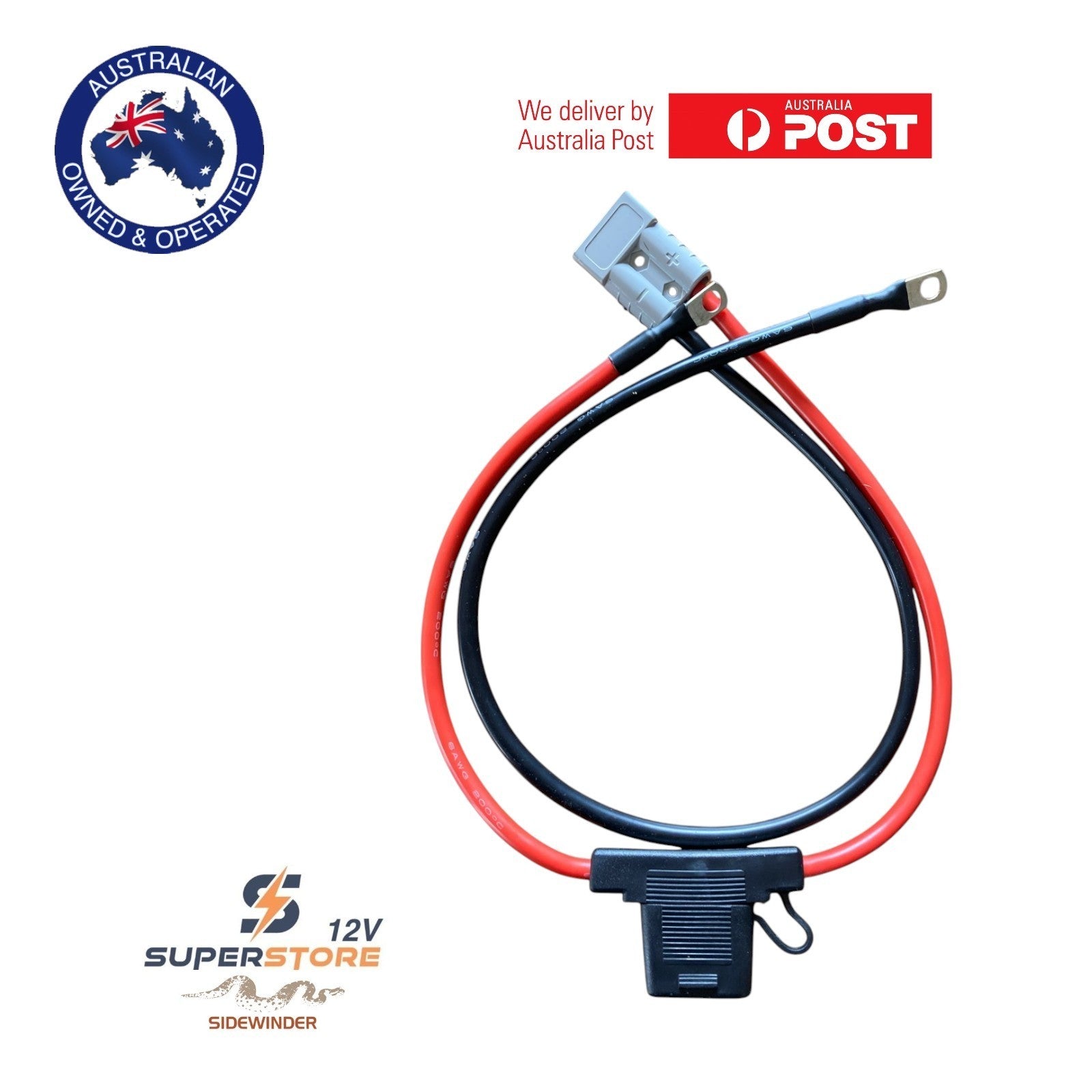
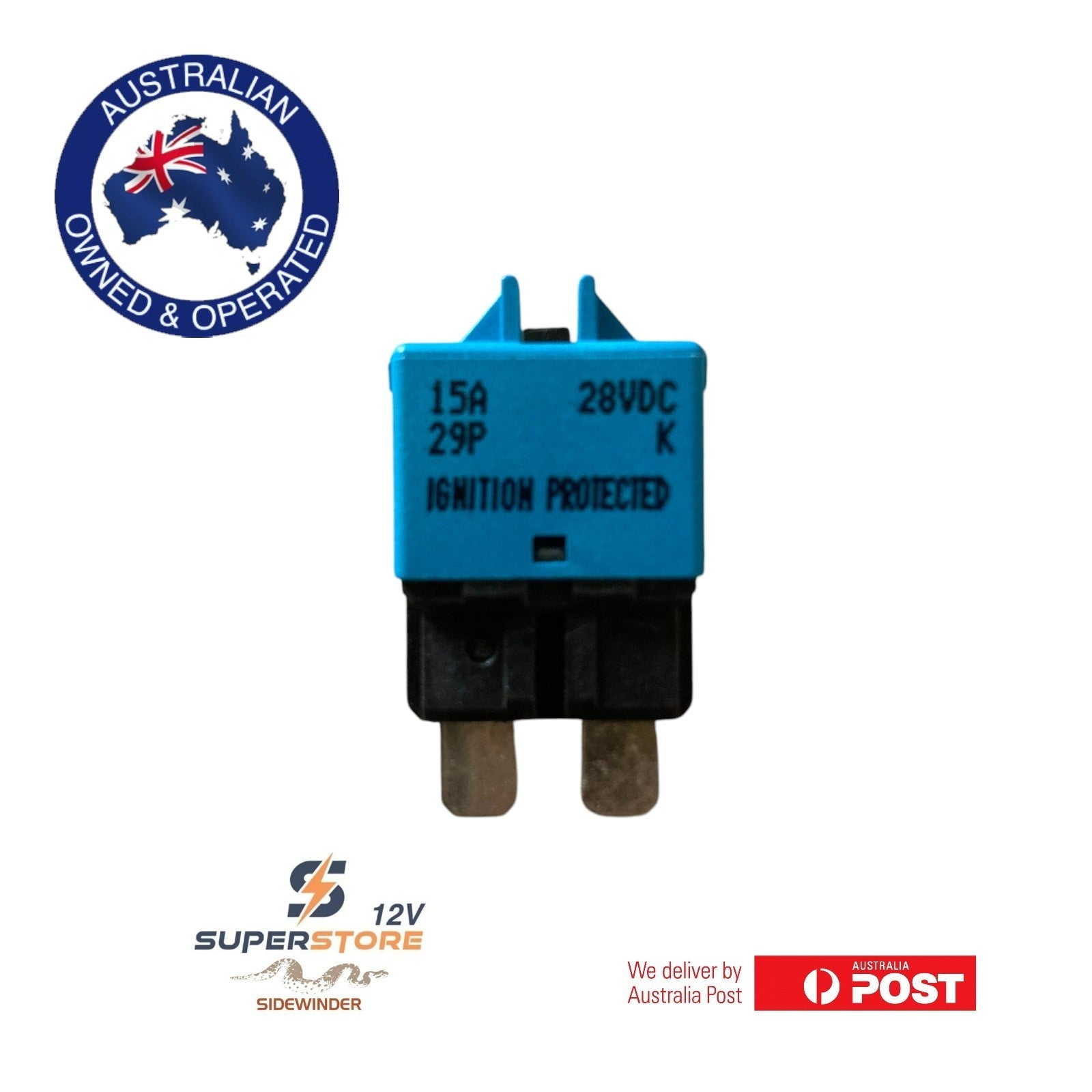


If you love camping, touring or heading off grid in your 4wd or caravan, you have probably heard people talk about dual battery systems.
But what are they and how do they work? In this guide, we will break it down in simple terms so you can choose the right setup for your next adventure.
-
What is a Dual Battery system Australia?
A Dual Battery system uses two Batteries in your vehicle:
- Starter Battery - runs your car/ute
- Auxiliary Battery - powers fridges, lights, inverters and camping gear
this way you can camp for days without flattening your starter battery.

2. How does a Dual Battery system work?
- When your engine runs, your alternator charges both batteries
- A battery isolator or DC-DC charger manages charging safely
- When you stop the car, the isolator separates the two batteries - fridges & lights only drain the auxiliary
3. Types of Dual Battery Systems
- Voltage Sensitive Relay/Isolator
- Simple, affordable good for AGM/Gel Batteries
- DC-DC Charger
- Best for modern vehicle with smart alternator & lithium Batteries
- Portable Battery Box
- great flexible and quick setup
4. Typical Dual Battery Setup in a 4WD
- Starter Battery under Bonnet
- Isolator or DC-DC charger mounted close to the aux Battery
- Auxiliary battery in rear tub, canopy or caravan
- 12V outlets running to fridge, lights inverter, or solar pane
5. Why buy Dual Battery Kit from 12V Superstore?
- Quality Australian approved cable & components
- Custom kits designed for your needs 4WD, Caravans and Boats
- Expert Support & detailed DIY Instructions included if you buy with us (we use the gear ourselves)
- Fast shipping Australia wide
Conclusion
A Dual Battery system is one of the best upgrades you can make for touring Australia. Whether you are running a fridge in the Kimberly or powering camp lights on the Murray, the right setup means freedom of peace of mind.